
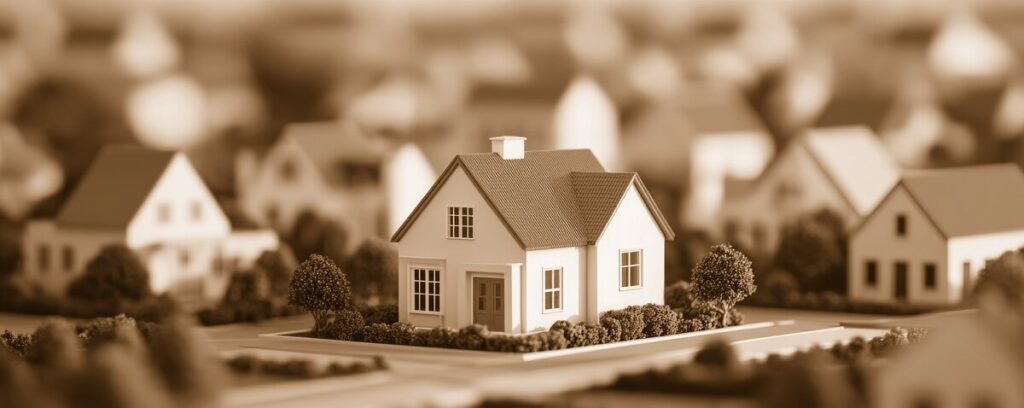
There’s a gentle charm that settles over Evergreen in Jupiter, FL, like the Florida sun dappling through an old oak. For those who call Evergreen home, the neighborhood is more than a collection of streets and houses—it’s a story, decades in the making, full of fond memories and promising futures. Let’s step back in time and explore the vibrant history and enduring heritage of this special corner of Jupiter.
The Origins of Evergreen
Long before the sidewalks filled with children laughing and front porches with friendly waves, Evergreen was part of Jupiter’s lush, unspoiled landscape. In the early 1950s, Jupiter began to see a shift from its pioneer roots—marked by fishermen, citrus growers, and the iconic Jupiter Inlet Lighthouse—to emerging residential enclaves.
The land that would become Evergreen was once peppered with dense tropical foliage, palmettos, and towering trees, earning it the nickname “the green cradle” amongst local hunters and botanists. Developers in the mid-1960s, drawn by the shade and tranquility, envisioned a community that preserved this natural beauty. Thus, “Evergreen” became both the official name and nostalgic promise—a neighborhood perpetually embraced by the green grandeur of Jupiter’s heritage trees.
How Evergreen Got Its Name
The name “Evergreen” is not a coincidence. In 1967, when the initial plats were drawn, founding developer Charles R. Maynard reportedly remarked that the patch of land “remains green no matter the season.” Neighbors old and new often repeat the story that the first plat was signed beneath the wide branches of a resident live oak along what would become Evergreen Avenue. The intention was always to create a community woven with nature rather than paved over it.
Key Historical Milestones
- 1960s: The first homes arise on Evergreen Avenue and Willow Road, blending mid-century architecture with breezy Florida style. No two homes were exactly alike—developers encouraged personal flourishes that are still evident today.
- 1974: Community spirit roots itself as the Evergreen Neighborhood Association forms, advocating for tree preservation, quiet streets, and family-friendly amenities.
- 1980s: Evergreen Park is dedicated at the junction of Pine Circle and Maplewood Drive. This five-acre green space, filled with butterfly gardens and picnic groves, quickly becomes a cherished landmark for gatherings and seasonal events.
- 1992: The neighborhood’s original stone sign, crafted by local sculptor Eloise Bennett, is installed at the main entrance at Evergreen Avenue. It is still a beloved photo spot for new residents.
- 2005: As Jupiter booms, Evergreen coordinates with the city to install historic markers along Sycamore Lane and Oakwood Street, sharing snippets of the neighborhood’s history and honoring its earliest residents.
Notable Landmarks and Institutions
Every longtime resident has a favorite spot in Evergreen—often tied to personal milestones or quiet tradition.
- Evergreen Park: The beating heart of the neighborhood, hosting everything from spring egg hunts and outdoor concerts to weekly farmers’ markets fueled by local produce.
- The “Founding Oak” on Evergreen Avenue: A living symbol of the neighborhood’s origins and resilience. Many families mark new beginnings or important moments beneath its branches.
- Maplewood Community Center: Constructed in the late 1980s, the center remains the site for art classes, book clubs, and historical exhibits curated by Evergreen’s own Heritage Committee.
- Old Homestead on Willow Road: Built in 1965, this is the oldest standing home in the neighborhood and an unofficial historical museum thanks to rotating displays of photos, antique furniture, and resident stories.
Evolution Over the Decades
Evergreen has always met the times by holding fast to community-first values. While Jupiter’s greater landscape has seen tremendous change—new shopping centers, highways, and schools—Evergreen has gently evolved, sustaining its greenways and encouraging generational pride.
- Homes: While original architectural styles remain visible, careful renovations and new eco-friendly designs blend seamlessly with the mature tree canopy.
- People: A healthy mix of original owners, growing families, and newcomers keeps Evergreen’s culture fresh while preserving its neighborhood traditions.
- Community Life: Block parties on Sycamore Lane, evening walks through Pine Circle, and spontaneous lemonade stands dotting Maplewood Drive are as common as ever. The Heritage Committee’s annual historic walking tours always draw a crowd, bridging the past with the present.
Why Evergreen Matters
Ask a dozen residents what makes Evergreen so special and you’ll get a dozen heartfelt answers. For many, it’s the promise made and kept—a neighborhood where roots, both literal and figurative, are given space to grow. For others, it’s the joyful hum of daily life: sunrise jogs, children playing in Evergreen Park, neighbors who know each other’s names and stories.
Preserving the legacy isn’t just the work of committees or city planners. It happens each time someone cares for an old oak, tells a bit of Evergreen’s history, or welcomes a new family to the street. As Jupiter continues to grow, Evergreen stands as a living testament to the values of community, conservation, and connectedness that have defined this beloved neighborhood for generations.
So when you travel down Evergreen Avenue, under the arching trees and past the old stone sign, you’re not just entering a place—you’re stepping into a living story, still growing and still green.